
Cationic Polyelectrolyte Field Dossiers
Cationic polyelectrolyte procedures for charge selection, active dose, powder preparation, centrifuge and belt press trials, overdose and supplier checks.
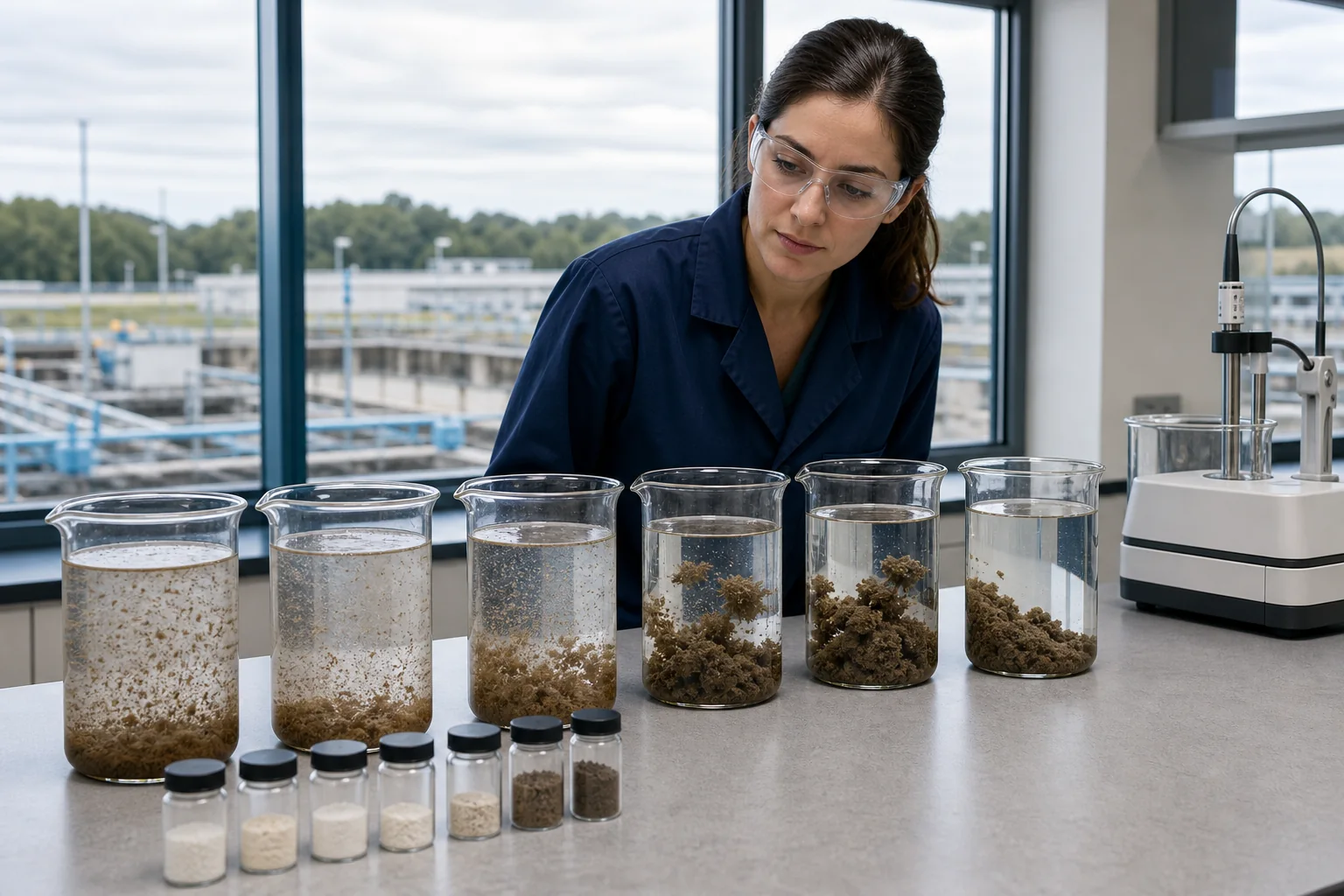
How to Select Cationic Polyelectrolyte Charge Density
Select cationic polyelectrolyte charge density from sludge demand, molecular profile, dose curve, water release, capture, cake solids and equipment response.
 READ DOSSIER →02
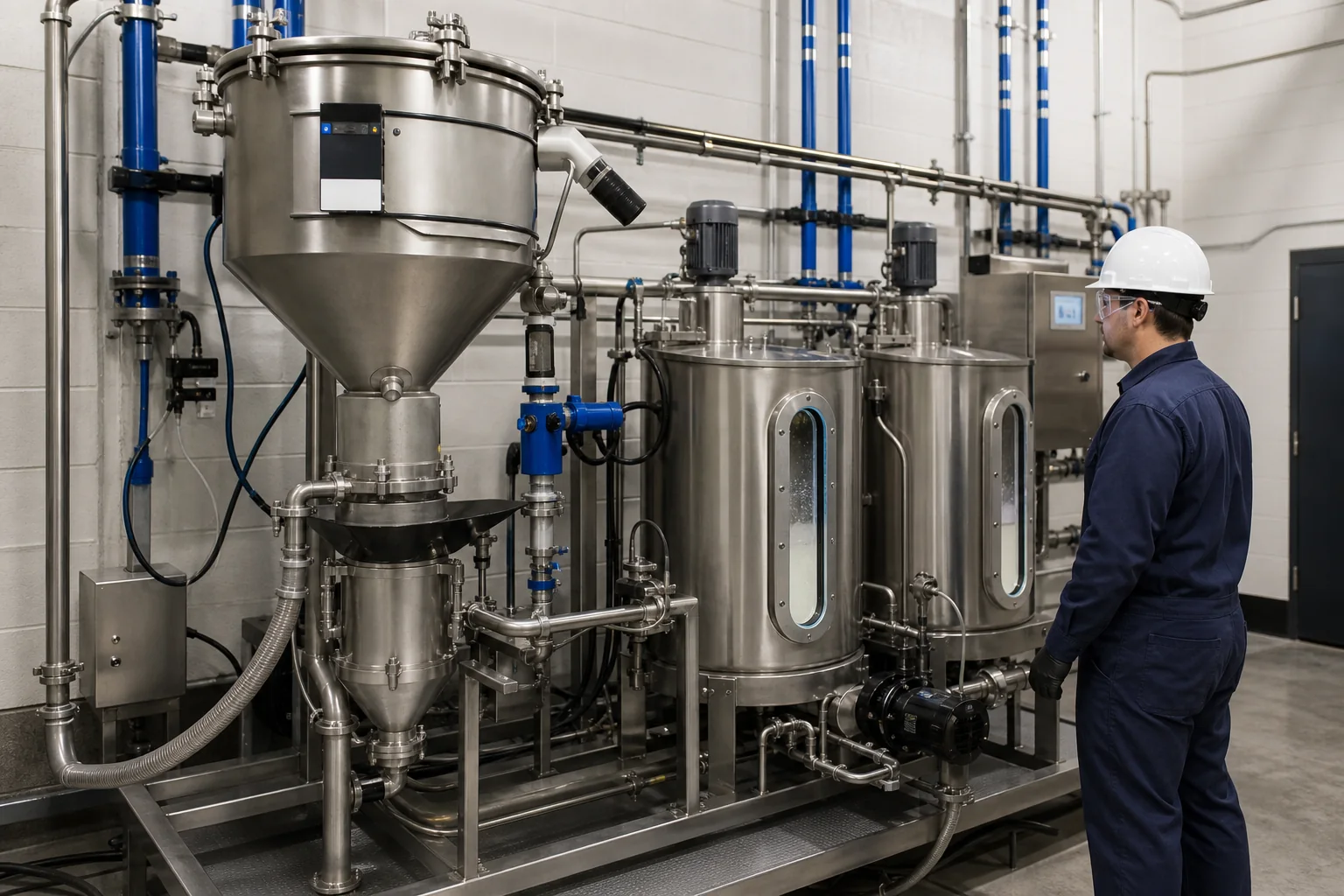
How to Calculate Cationic Polyelectrolyte Dose per Dry Solids
Calculate active cationic polyelectrolyte dose from powder, stock concentration, pump flow, sludge flow and dry solids, then verify field delivery.
 READ DOSSIER →03
Cationic Polyelectrolyte Powder Solution Preparation
Prepare cationic polyelectrolyte powder solution with controlled water, induction, concentration, gentle mixing, maturation, transfer and dosing calibration.
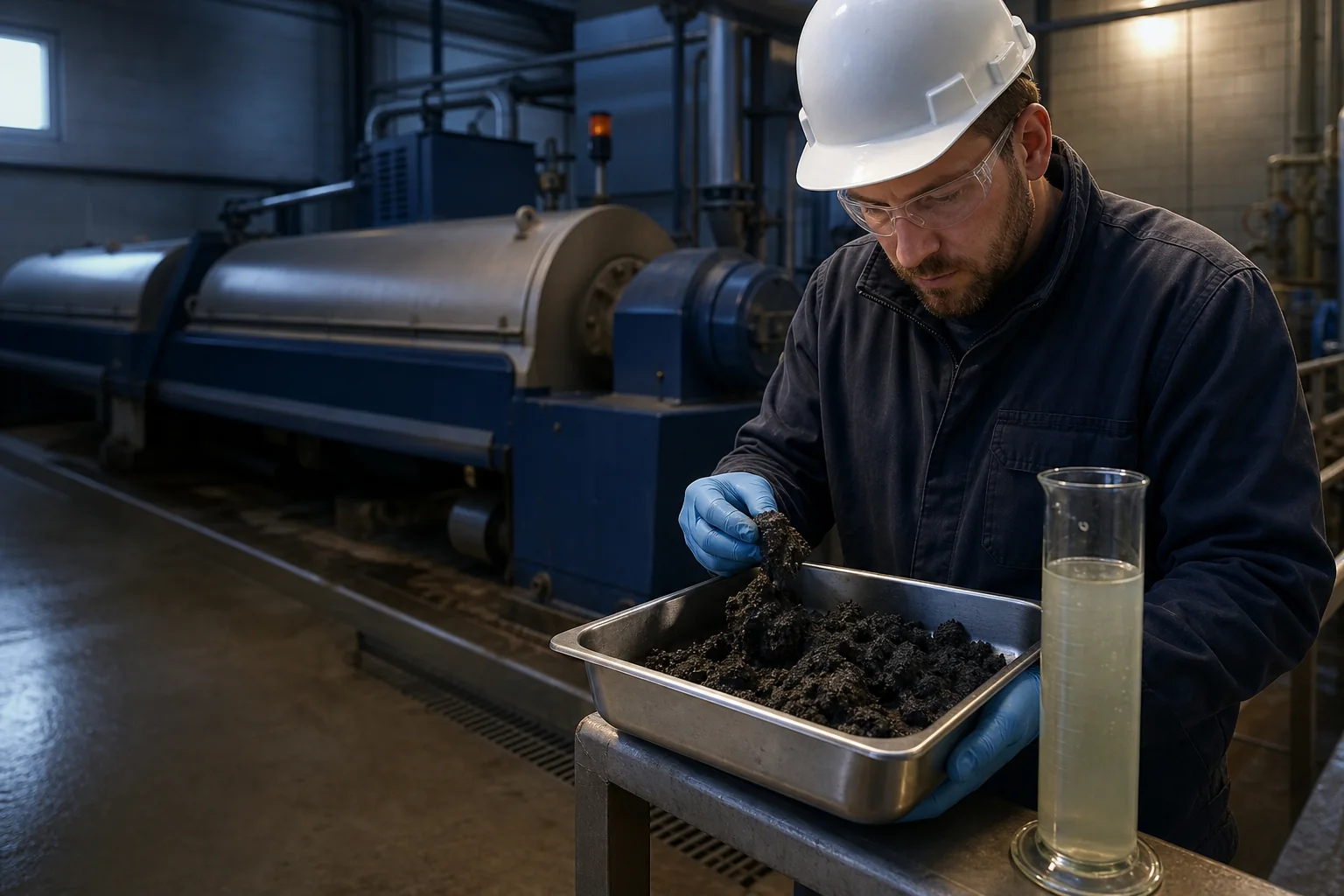
READ DOSSIER →04Centrifuge Polymer Trial: Capture, Cake and Centrate
Run a centrifuge cationic polyelectrolyte trial using stable feed, active dose, injection, capture, centrate, cake solids, torque and throughput data.
 READ DOSSIER →05
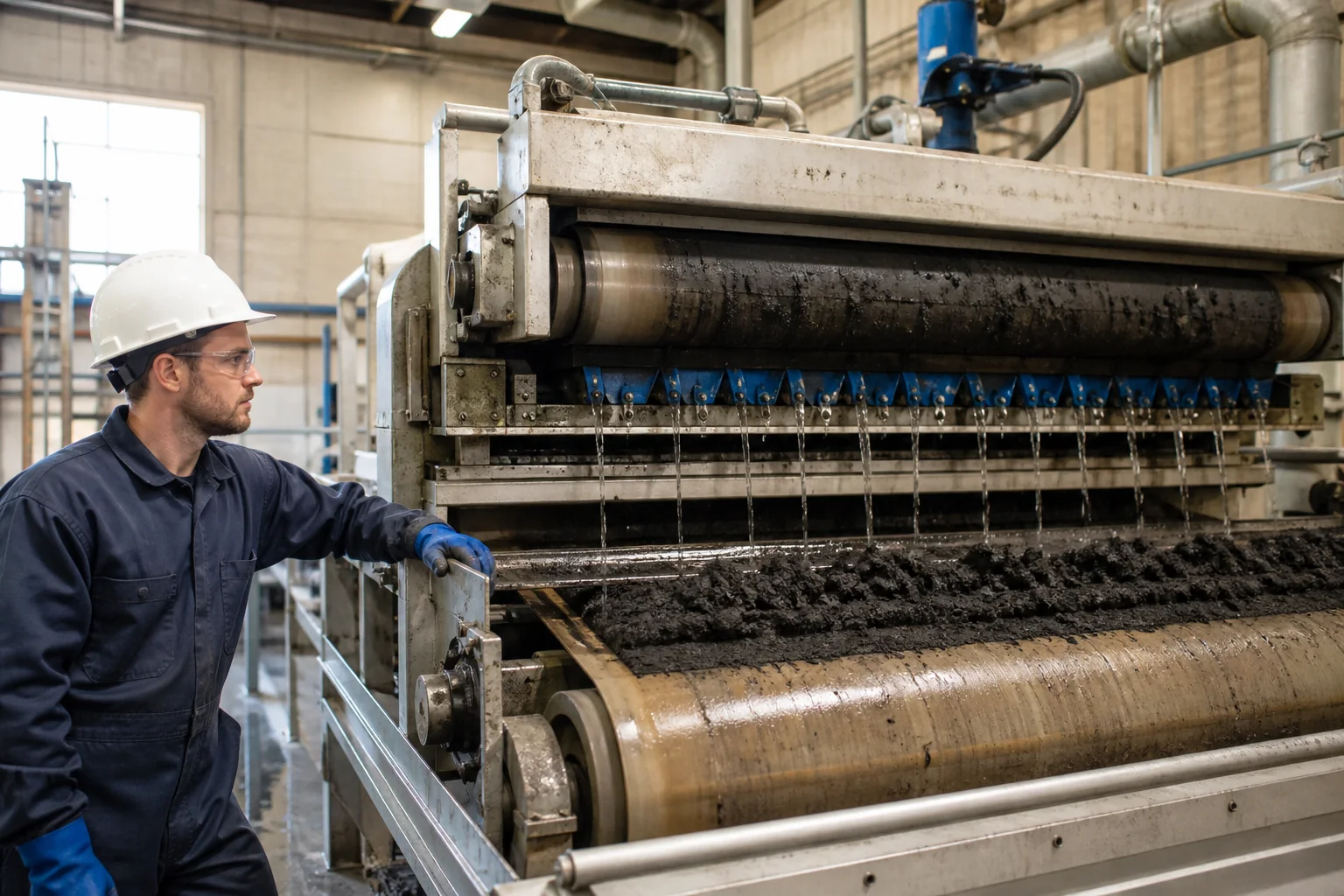
Belt Press Polymer Optimization by Drainage Zone
Optimize cationic polyelectrolyte on a belt filter press through gravity drainage, filtrate, pressure zones, cake solids, release and wash-water demand.
 READ DOSSIER →06
Why Cationic Polyelectrolyte Overdose Lowers Cake Solids
Diagnose cationic polyelectrolyte overdose through restabilization, sticky floc, water retention, poor drainage, centrate, torque and dose-curve evidence.
READ DOSSIER →07Cationic Polyelectrolyte vs Cationic Coagulant
Compare high-molecular-weight cationic polyelectrolyte with lower-molecular-weight cationic coagulants by mechanism, dose, sequence and equipment endpoint.
READ DOSSIER →08Cationic Polyelectrolyte Supplier Specification Checklist
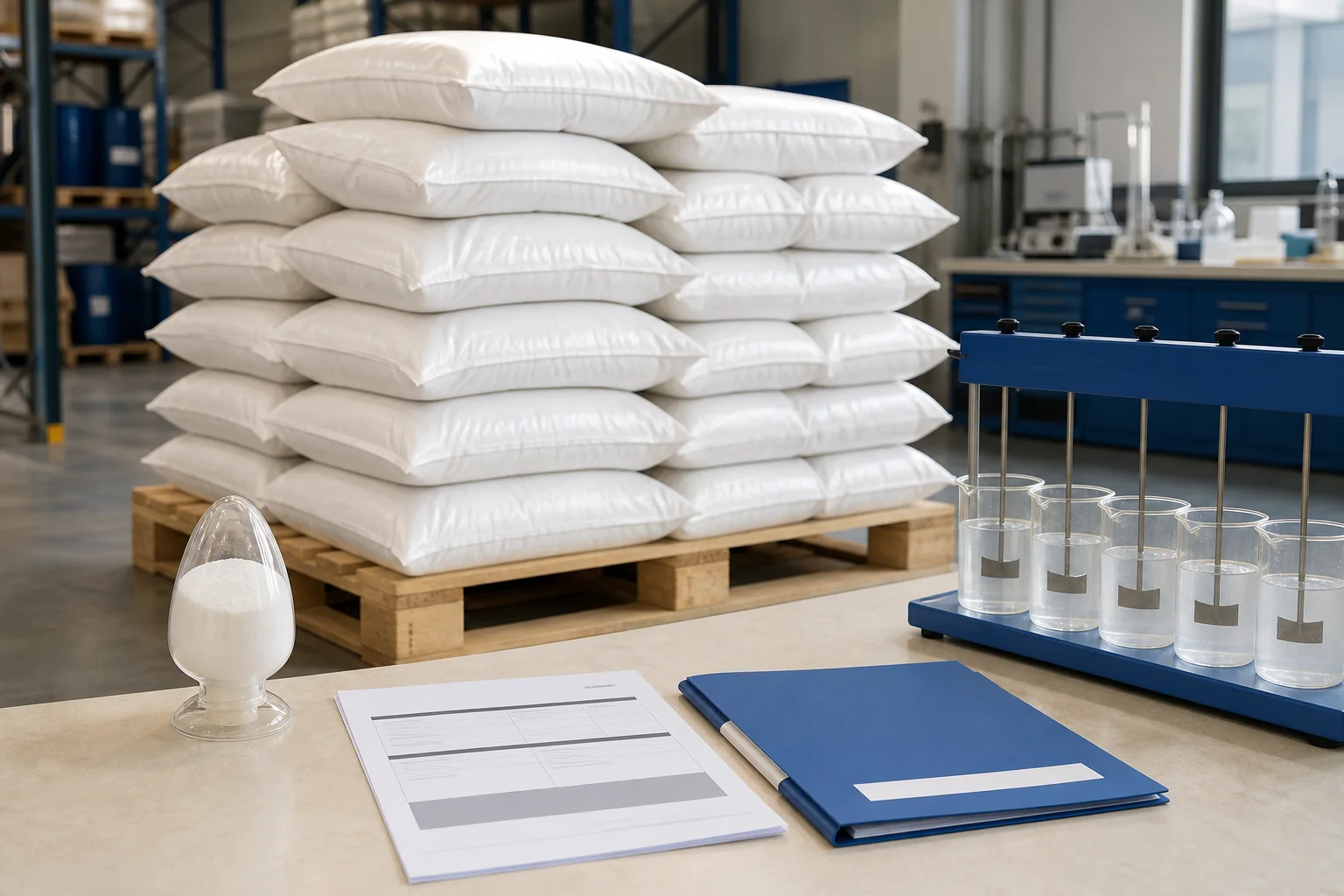
Evaluate cationic polyelectrolyte suppliers through grade identity, charge method, application evidence, COA, packaging and delivered treatment cost.
 READ DOSSIER →