A useful cationic polyelectrolyte enquiry describes the sludge, equipment and decision before a grade is assigned. This information allows a small sample set to separate charge and molecular profiles instead of sending unrelated products.
Describe the sludge
Provide municipal or industrial source, primary and biological fractions, dry solids, volatile solids where known, pH, conductivity, temperature, storage time and current conditioning chemicals. Include normal and difficult operating cases.
Describe the equipment
Identify decanter centrifuge, belt filter press, chamber press or other unit. Add flow, solids loading, injection point, dilution, current polymer, active dose and stable mechanical settings. State whether capture, cake solids, throughput, filtrate or recycle load controls the decision.
Define the trial and supply need
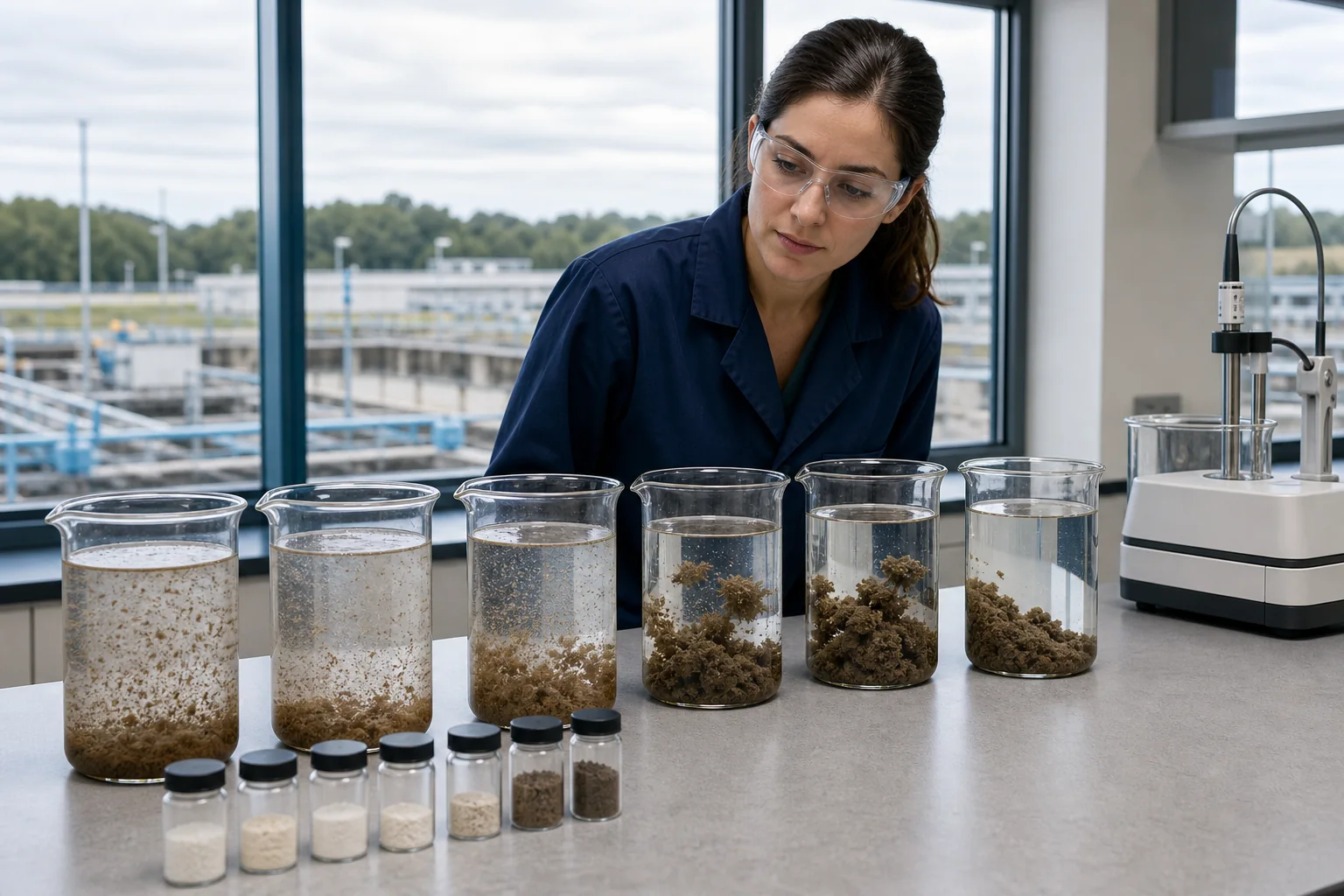
Request adjacent grades and compare equal active doses using consistent preparation. Add monthly demand, packaging preference, destination, Incoterm and required COA, TDS or SDS. Enquiry data goes directly to Xinqi Polymer technical sales for sample coordination and quotation.
Review the purchase conditions
Match the order to the qualified product and operating scope: Cationic Polyelectrolyte Supplier Change: Qualify Before Switching, Buying Cationic Polyelectrolyte for a Decanter Centrifuge, Cationic Polyelectrolyte for Screw Presses: Sample Buying Checks, Cationic Polyelectrolyte for Food DAF Sludge: Buying Conditions, Buying Cationic Polyelectrolyte for Peak Make-Down Demand, Cationic Polyelectrolyte Powder for Cold Water: Supplier Checks, Cationic Polyelectrolyte Tender: Write Performance Acceptance.
Numbered sample brief
Put the sludge and machine on one record.
Include dry solids, chemistry, preparation, equipment, current active dose, measured target, quantity and destination.